(Series: Clear Skies and Wild Rides: My Life in USAF Pilot Training)
After months of pulling Gs and tearing through low-level routes in the T-6 Texan II, it was time to move on.
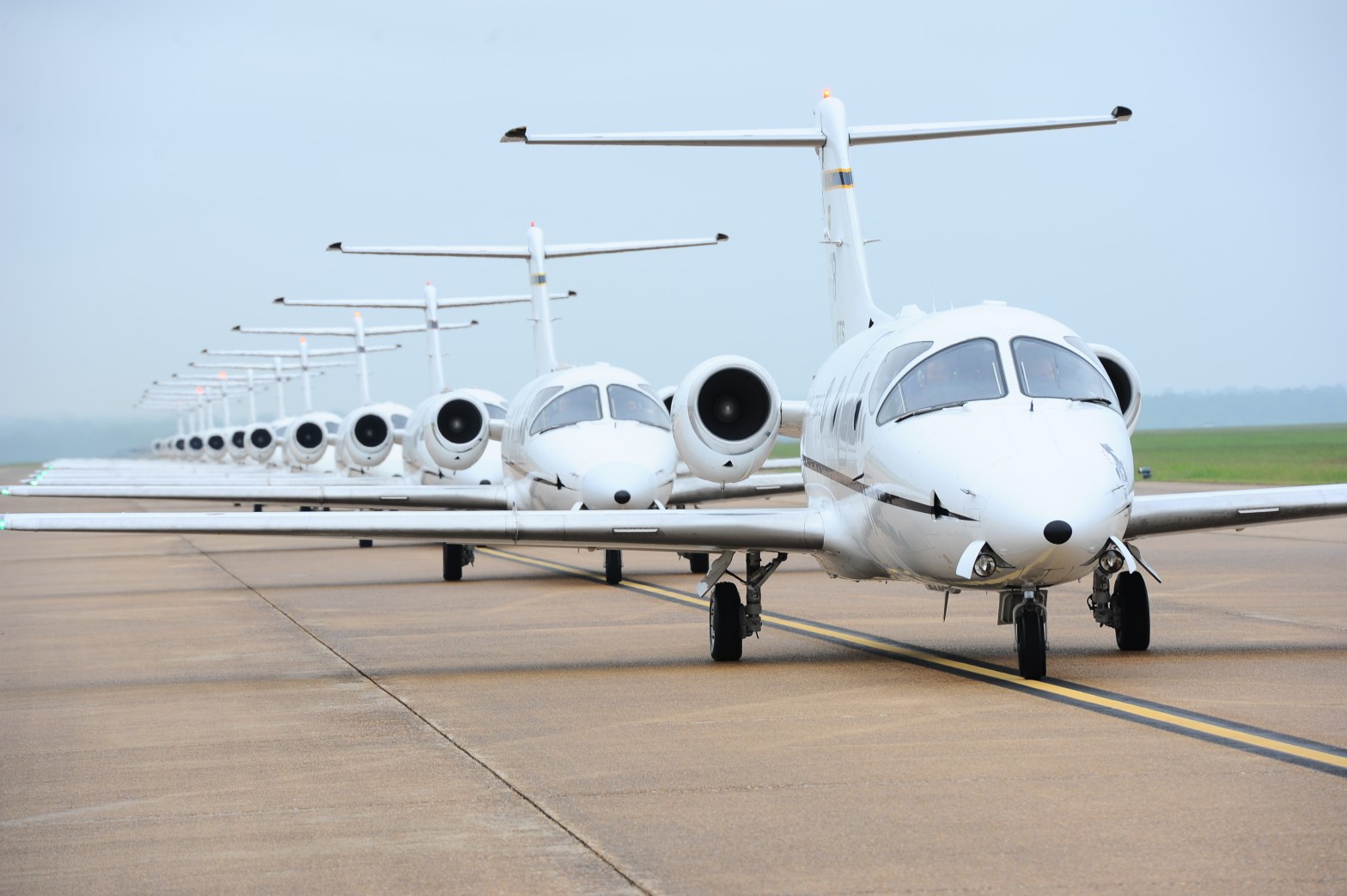
The next step: the T-1A Jayhawk — the Air Force’s multi-engine trainer that looks more like a corporate jet than a military aircraft.
But the T-1 wasn’t about speed and acrobatics.
It was about crew coordination, mission planning, and learning to fly like a professional air mobility pilot. The switch wasn’t just about mastering new controls; it was about learning to operate in perfect sync with another pilot, an instructor, and sometimes even mission simulators.
Clear Skies and Wild Rides had taken on a new meaning: the rides were smoother, but the stakes were higher.
The First Day: New Airframe, New Rules
The first time I walked up to the T-1, it felt like I was staring at a different world.
Gone were the inline cockpits and bubble canopies. The Jayhawk had sleek lines, dual engines, and a real crew environment.
When I stepped inside, I remember how much bigger it felt than the T-6.
Two fully-equipped seats up front, a long center console, and rows of seats behind — not for passengers, but for students and instructors running checklists and callouts.
This wasn’t a solo adventure anymore.
It was a team mission.
The Crew Reality
The Air Force trains its pilots to fly from both seats — left seat (Aircraft Commander) and right seat (Co-Pilot), or pilot flying (PF) and pilot monitoring (PM). In the T-1, I started in the left seat, learning to handle systems, radios, and navigation, while the instructor ensured we handled this newer larger aircraft with precision and care.
Here’s the kicker:
You don’t just fly the plane. You communicate, coordinate, and execute a plan together.
- Callouts had to be precise.
- Timing had to be perfect.
- Crew Resource Management (CRM) wasn’t just a term — it was survival.
My instructor would inject scenarios throughout the flight, especially in the pattern:
“Engine failure. What’s your next step?”
“Lost comms. What do you do?”
“Your navigation equipment just failed. Now what?”
You couldn’t just react — you had to think through it and communicate your plan clearly to the crew. It wasn’t just your life up there anymore.
Mission Planning: More Than Just Takeoffs and Landings
One of the biggest transitions from the T-6 to the T-1 was the complexity of mission planning.
In the T-6, you might plot a low-level route or an aerobatics area, but in the T-1, you planned full cross-country sorties, complete with:
- Fuel calculations
- Route planning across multiple states
- Weather assessments
- Alternate airfields
- Mission objectives and crew responsibilities
It was the first time I saw flying as not just piloting but orchestrating a mission. Every detail mattered, from how much fuel we took on to what our go/no-go decisions would be based on en route weather.
Suddenly, flying felt less like an adventure and more like a profession.
That’s when it clicked — this is what Air Force pilots do. They don’t just fly; they execute.
Flying Heavy
Flying the T-1 was a different beast.
Unlike the nimble T-6, the Jayhawk handled like a true multi-engine jet. It was smoother, heavier, more deliberate. You couldn’t just yank it around the sky; every movement had to be calculated.
But there was something beautiful about it.
When you’re at FL 180 (18,000 feet), cruising at higher speeds, everything feels…professional. You’re checking in with regional centers, navigating airways, coordinating with other aircraft.
It wasn’t just training anymore — it felt like real-world flying.
Every landing mattered. Every radio call was deliberate. The Wild Rides of the T-6 were traded for Clear Skies and smooth operations in the T-1.
The First Cross-Country
One of the biggest milestones in T-1 training is the first cross-country flight.
You plan everything:
- Departure from Columbus AFB
- Stops at random airfields across the country
- Night landings in unfamiliar places
- A return leg with fuel checks and updated weather planning
I still remember stepping out of the aircraft after landing in Louisiana, the southern heat exacerbating the sweaty mess I already was. Engines winding down, the smell of jet fuel still hanging in the air, and that feeling of accomplishment. We had planned it. We had flown it. And we had done it right.
That’s the difference the T-1 makes. It reminds me of an African Proverb, “If you want to go fast, go alone. If you want to go far, go together.” As a crew aircraft, we were unlocking the missions that took us farther.
It teaches you to think bigger, plan deeper, and fly with precision.
Wrapping Up the Jayhawk
By the time we wrapped up the Phase III of UPT, I wasn’t just a pilot anymore — I was part of a crew.
I could communicate, plan, and execute missions with a team.
I knew what it meant to be part of something bigger than just a single seat and a throttle.
Clear Skies and Wild Rides weren’t just about adrenaline anymore.
Now, they were about teamwork, mission planning, and the realization that every flight is part of something bigger.
Next Up:
➡️ “Wings Earned: The Day It All Became Worth It” — the final phase, where all the chaos, sweat, and training culminate in the moment you pin on those silver wings.
 JetSetGOConnor